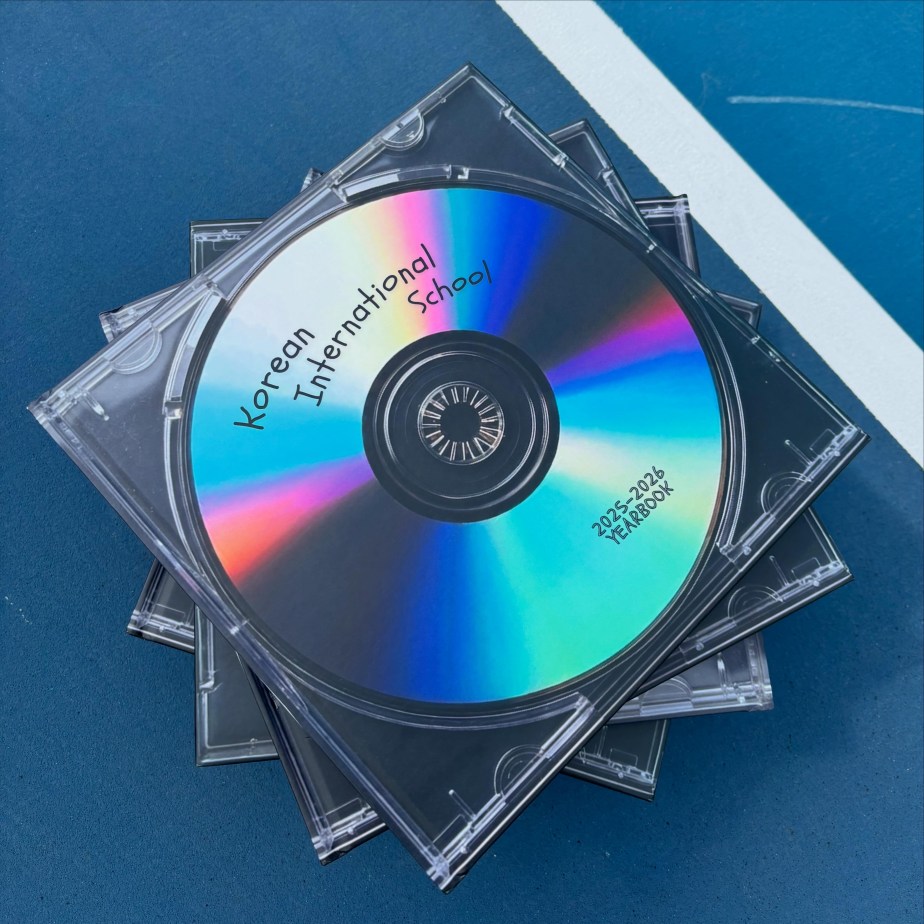
The yearbook has gone to print. The 600-plus copies of that 300-page hardcover behemoth have been delivered, distributed, and are now probably gathering dust on shelves or being passed around at graduation parties. And for the first time in months, I can breathe.
Let’s be honest: the second year was easier. I had systems and templates. I knew which fonts to avoid and which deadlines were non-negotiable. The learning curve, once steep enough to induce mild panic, had flattened into something manageable. But easier does not mean easy. In the end, it was still a monumental undertaking—a labour of love that consumed more evenings and weekends than I care to count.
So, why did I do it? And why, despite the exhaustion, am I genuinely sad to pass the baton?
The answer lies in what the yearbook allowed me to become: a part of this school’s community in a way that my usual corridors simply couldn’t offer.
I’m a secondary humanities teacher and a Head of Year. My days are spent in the older years, wrestling with the intricacies of the Cold War and the pastoral needs of teenagers navigating their final school years. It’s a wonderful, all-consuming world. But the yearbook project pried open the doors to rooms I’d never have stepped into otherwise.
I sat with admin to discuss financing, navigating the delicate dance of student and parent payments. I worked with the parent committee, receiving their messages of support and occasional gentle nudges about deadlines. I coordinated with the athletics department to ensure their year of sporting triumphs was properly memorialised. I liaised with the primary section, whose youngest contributors I would never have met otherwise—and whose enthusiasm for their own class photos was genuinely infectious. I discovered the incredible work happening in the Springboard section, celebrating their students’ successes with the same pride I feel for my own A-Level historians. I coordinated with facilities for the delivery and receipt of those 600+ books, a logistical dance that involved more heavy lifting than any of my lesson plans ever require.
In short, I got to extend myself beyond secondary humanities and pastoral. I became a small part of the entire school’s story, not just my corner of it.
There were moments of pure joy. Seeing a primary student’s face light up when they spotted their photo in the final product. Receiving a message from a grateful parent. The quiet satisfaction of a well-organised spreadsheet. But mostly, there was the feeling of being connected—to people I’d normally just pass in the corridor, to departments whose work I’d only glimpsed from afar.
I’m very happy to pass this responsibility on to a colleague. They have new ideas, fresh creativity, and the energy to implement them. I won’t pretend to be entirely detached—I’ll probably still peek at the drafts and offer an unsolicited opinion or two. But this is their project now, and I’m excited to see where they take it.
As for me, I’m back to my usual haunts: the secondary corridor, the history classroom, the pastoral office. But I’ll carry the lessons of this year with me. The school is bigger than I thought. Its people are more wonderful than I knew. And sometimes, the best way to serve is to step outside your own little classroom and help tell the story of everyone else’s.
Now, to find a quiet corner and finally read the yearbook the students and I spent a year creating. We might’ve missed a few events and definitely overlooked a typo or two (sorry Kirsten!). But I’m pretty sure we captured the heart of it.

