A few months ago, I finally developed a roll of film from my time teaching in Qingdao during 2019-2020. Qingdao, also known as 青島, is a beautiful and bustling coastal city located in the northeastern province of Shandong, China. The city’s strategic position along the shores of the Yellow Sea has endowed it with a unique and internationally-influenced history.
The photographs I captured in 2019 on my Olympus OM-2 using Kodak 400 film truly capture the natural beauty of Qingdao’s breathtaking shoreline, which was a highly contested land for centuries.. The city’s international history has imbued it with a distinct character, making it a fascinating and picturesque destination.
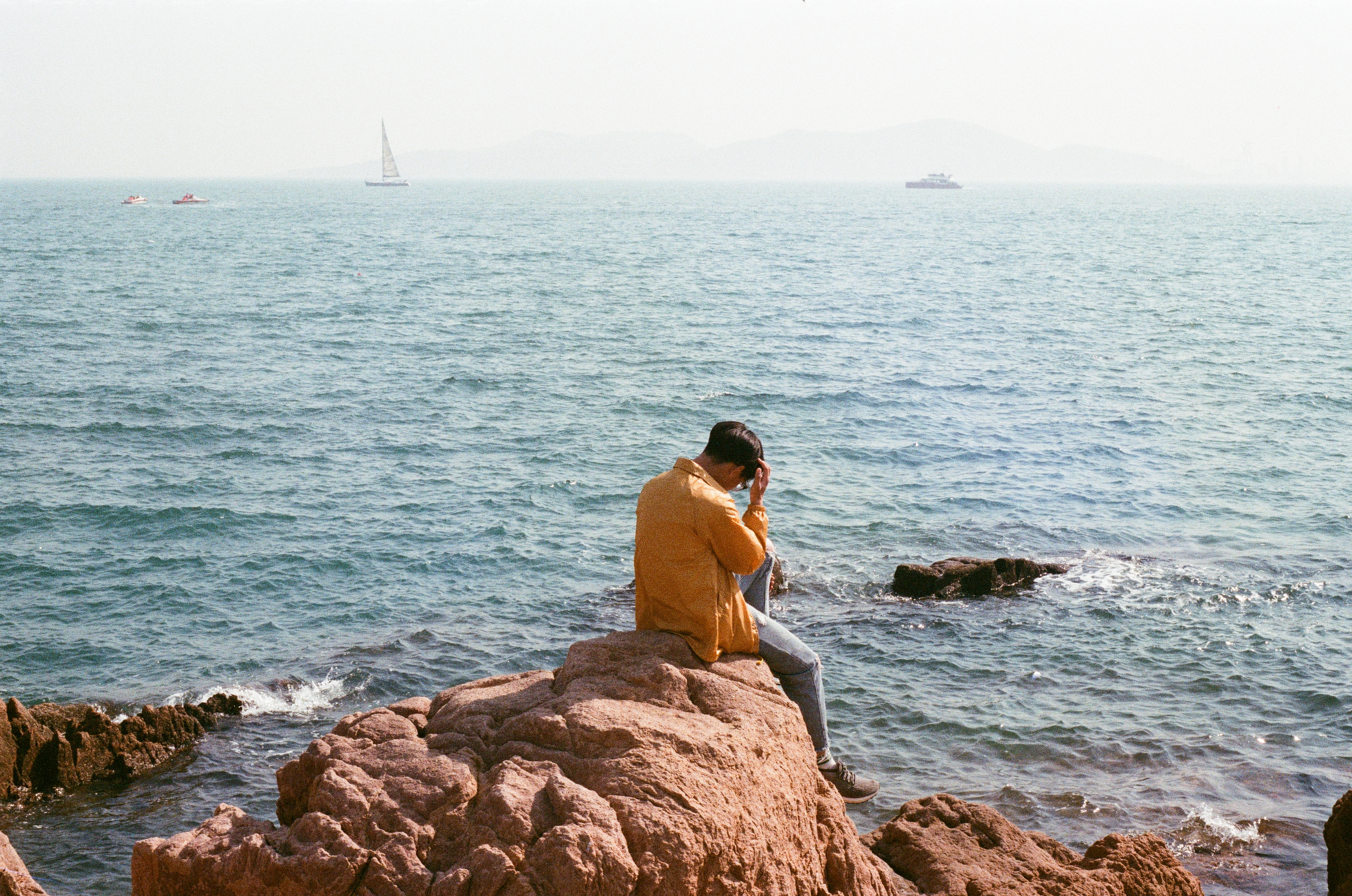

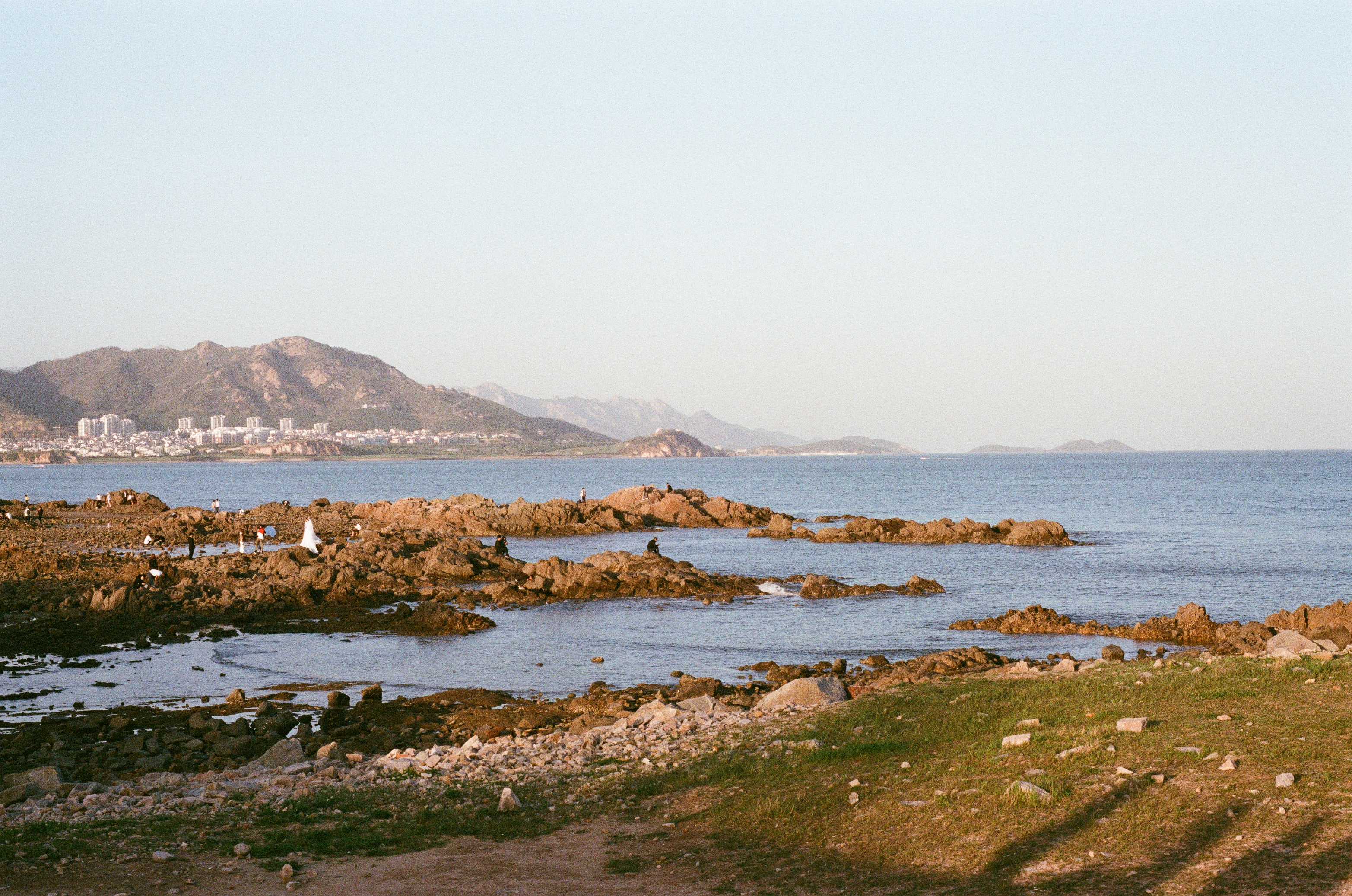
Here’s a little known history that involves China, Japan, Germany, Tiananmen protests and the Treaty of Versailles, told through some old pictures I took. Qingdao originated as a minor fishing village, and during the Qing dynasty (1644–1911/12) it developed a significant junk trade, with a customs station established there. In the 1880s, as the Chinese government set up the Beiyang (“North Ocean”) fleet, they recognized the strategic importance of the location of Qingdao (then known as Jiao’ao) and established a small naval station there, along with building fortifications.
After the devastating first Opium War, China was forced to open its ports to foreign trade. After two German missionaries were killed in 1897, Germany took control of Qingdao and the surrounding Shandong peninsula, establishing the Kiautschou Bay concession. Germany then developed Qingdao into an important economic and naval base.
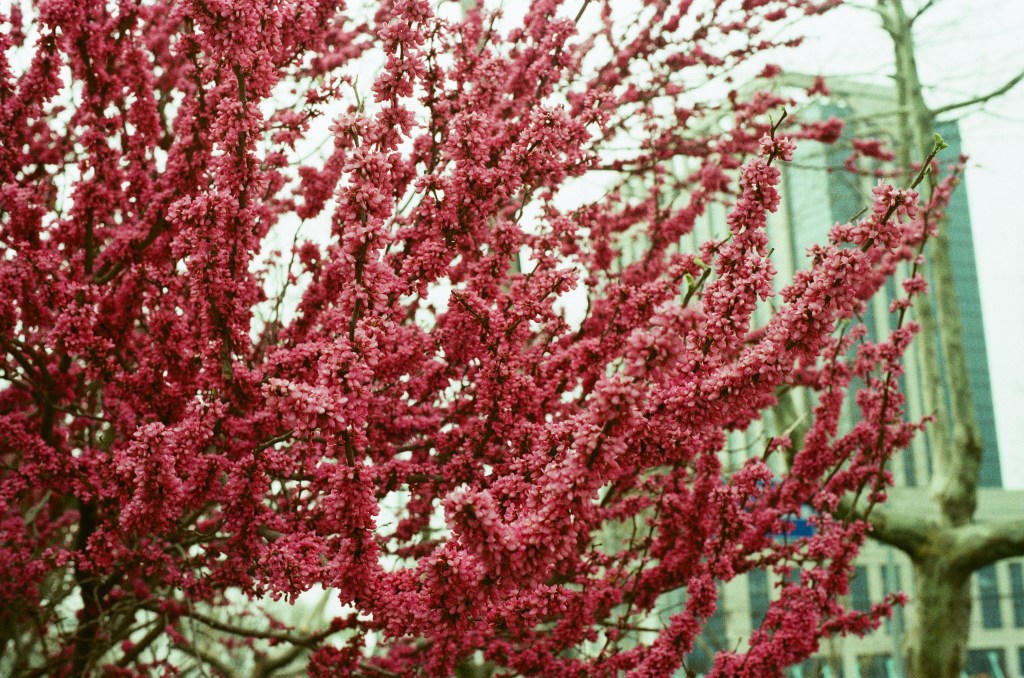
During World War I, Japan seized the opportunity of Germany’s involvement in the war to occupy Qingdao in 1914. Following Germany’s defeat, the Treaty of Versailles in 1919 awarded the Kiautschou Bay concession to Japan. Japan then created the Tsingtao (Qingdao) Naval District and expanded the port’s infrastructure and industries.
After Japan’s defeat in 1945, Qingdao was returned to Chinese control. The city’s architectural and infrastructural legacy from the earlier German and Japanese colonial periods remains an important part of Qingdao’s cultural heritage today.
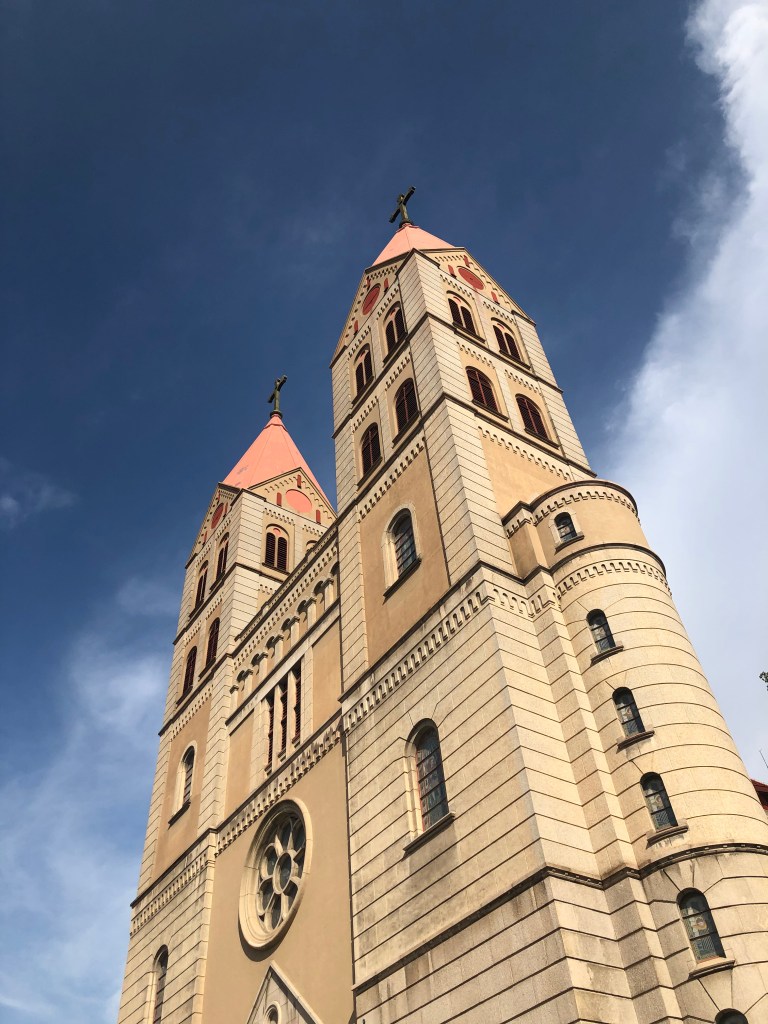
This imposing piece of Romanesque revival architecture is St. Michael’s Cathedral, also called Zhejiang Road Catholic Church. It was built by German missionaries in 1934.

This is the May Wind sculpture in May Fourth Square 五四广场, a major tourist attraction in downtown Qingdao. During the early 20th century, the May Fourth Movement was a pivotal student-led political and cultural movement that swept across China in 1919. The movement arose in response to the Treaty of Versailles, which awarded German colonial holdings in Shandong province to Japan rather than returning them to Chinese control.
In Qingdao, which had been a German and then Japanese colonial holding, the May Fourth Movement resonated deeply. The city’s students and citizens took part in the widespread protests and demonstrations that defined the movement across China.
To commemorate Qingdao’s role in this pivotal moment of Chinese history, a sculpture was erected in the city’s central square. The May 4th Monument features a towering figure representing the student-led movement, symbolizing the city’s resistance to foreign imperialist control and its embrace of Chinese nationalism and modernization.
The monument stands as a testament to Qingdao’s complicated colonial past and its people’s struggle for self-determination. It serves as a powerful reminder of the city’s important place in the broader narrative of China’s 20th century political and social transformation.
Qingdao has a complex history of shifting colonial control, first by Germany and then by Japan, before ultimately returning to Chinese rule. This legacy has significantly shaped the development and character of the city. It was a beautiful place to kick off my international teaching career.
 Jenn Leah Ko