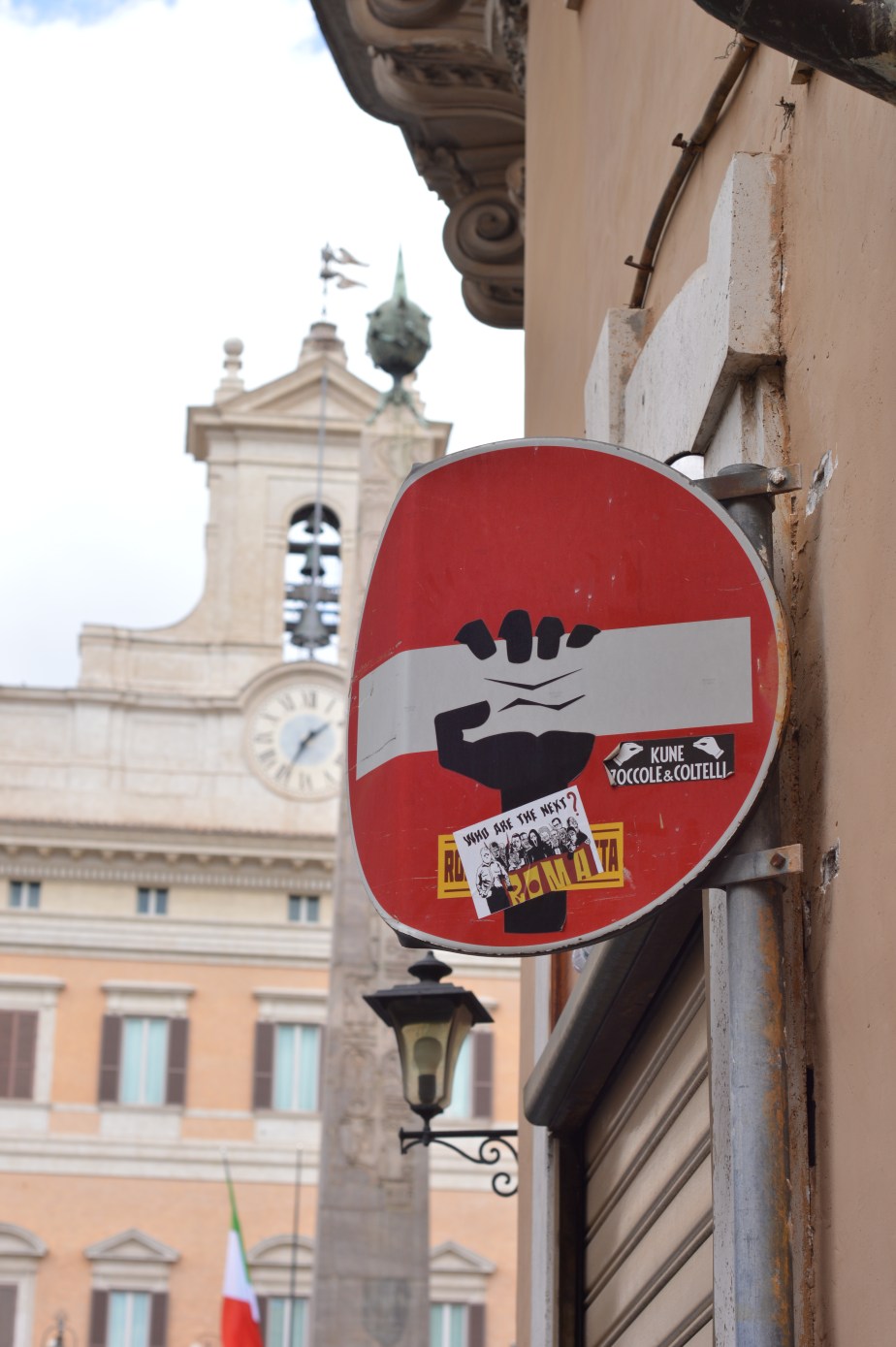
Tension is the invisible but unmissable, enduring force propelling public history and its historiography. Between the state and private institutions with funding; the academics behind the walls of the ivory tower; and the families and individuals whom they are reputed to serve, Ashton notes that the field is fraught with debate. Fostered by modernity and a growing interest in memory in the nineteenth century, Meringolo writes the public historian’s is a profession born in national park preservation efforts, expanded in the 1980s and 90s with consultations with the public, and today democratized by collaboration. According to Dick, individual narratives and collective affect are fundamental to public history. Therefore, it is essential to bring existing but “othered” modes of thinking into the academic and professional fold. But the question remains: How? How can the gatekeepers of history open their doors and work with the public to tell the stories they want to hear without delegitimizing their academic integrity?
Photo by Elliot Brown, Villa Carlotta – Tremezzo – back to front “C”.
 Jenn Leah Ko