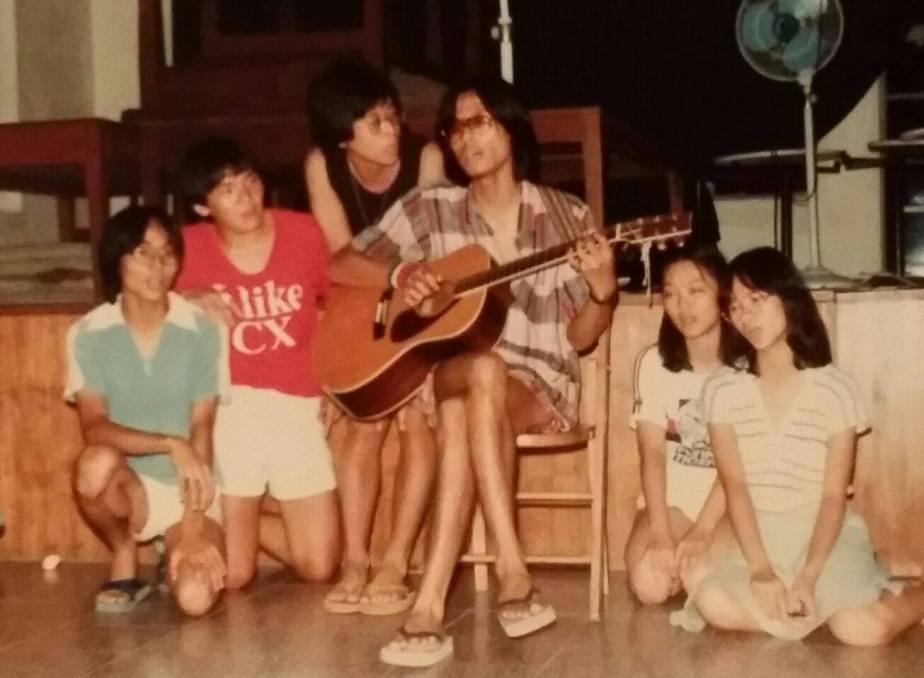
Pierre Nora’s concept of lieu de memoire, sites of memory urgently negotiated and established in an era of perilous modernization and subsequent cultural amnesia, is obtuse even for a graduate-level public history seminar. The complexity in Nora’s theory lies within his contentious forced binary between ideas of memory and history, where the former exists in a pure, folklore dreamland and the latter in a structured, incompetent reality that destroys the thing it hopes to preserve — memory. Museums, monuments, books, films and sites of significant are lieux de memoires. Oral storytelling and generational transmission of craft skills are milieux de memoires.
I decided to explain this idea to my parents. Using a list of interview questions based off of the Canadians and Their Pasts survey launched in 2006, I asked my mom and dad to think about memory, history, identity, and how they relate to and understand their pasts. I was surprised to discover that despite never encountering Nora, my parents had formed their own distinctions between memory and history and their respective roles within time-space.
Similar to the findings in the survey, my parents, who immigrated from Hong Kong in the 1980s, placed themselves at the centre of their own pasts to reconcile their identities in the present within ethnic/cultural group and country. In the clips of our phone interview below, my parents first discuss their daily encounters with lieux de memoires (photos) and memory-work (gathering with friends to tell stories). Later, they explain their understandings of memory and history…all before I attempted to explain Nora’s concept.
 Jenn Leah Ko